AI-Driven Progressive Overload: The Future of Workout Generation
The Evolution of Workout Programming
For decades, workout programming relied on static spreadsheets and generalized formulas. You calculated your 1RM, took a percentage, and followed a rigid plan for 12 weeks. But what happens when you sleep poorly? What if you're stressed? Traditional plans don't adapt. They simply dictate.
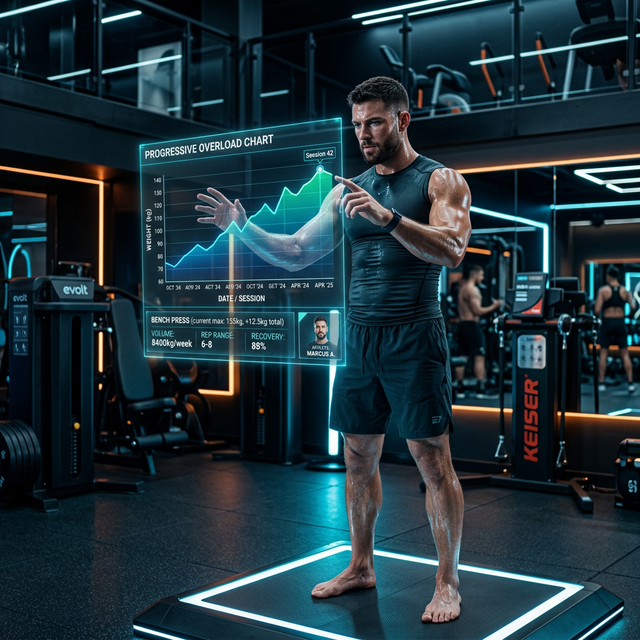
In 2026, AI has fundamentally changed this paradigm. By continuously analyzing your biometric data, AI algorithms can predict your optimal weight progression with unprecedented accuracy, ensuring you are always training at the edge of your capabilities without crossing into overtraining.
Real-Time Auto-Regulation
The core of AI-driven progressive overload is real-time auto-regulation. RepLog's AI doesn't just look at what you lifted last week; it looks at how you lifted it.
Velocity and RPE Integration
By combining Rate of Perceived Exertion (RPE) with historical performance data, the AI builds a physiological profile of your recovery and adaptation rates. If your last session was an RPE 9.5 when it should have been an 8, the AI automatically adjusts your projected load for the next session. This dynamic scaling means every workout is customized to your immediate state of readiness.
Predictive Plateau Analytics
One of the most frustrating aspects of lifting is hitting a plateau. You push and push, but the bar refuses to move. AI changes the game by identifying the preconditions of a plateau before it actually happens.
- Volume Fatigue: The AI tracks your cumulative volume load and compares it to your recovery metrics. When the ratio of fatigue to stimulus drops below a critical threshold, it signals an impending plateau.
- Micro-Deload Prescriptions: Instead of prescribing a full week off, the AI might suggest a "micro-deload" during a single session, reducing the intensity of specific accessory movements while maintaining the primary lifts.
The Biometric Sync
The true power of AI progressive overload is unleashed when it syncs with your biometric wearables. Heart Rate Variability (HRV), sleep architecture, and basal body temperature are fed into the algorithm to create a holistic picture of your training capacity.
If your deep sleep was compromised, your CNS readiness score will reflect this, and the AI will recalibrate your training volume for the day. This isn't just about lifting heavier; it's about lifting smarter.
Summary: Training in the Future
AI-driven progressive overload is not a replacement for hard work. You still have to get under the bar and lift the weight. What AI provides is precision. It removes the guesswork from programming, allowing you to channel 100% of your mental energy into the execution of the lift. The future of fitness isn't just tracking data; it's letting the data track you.
Ready to track smarter?
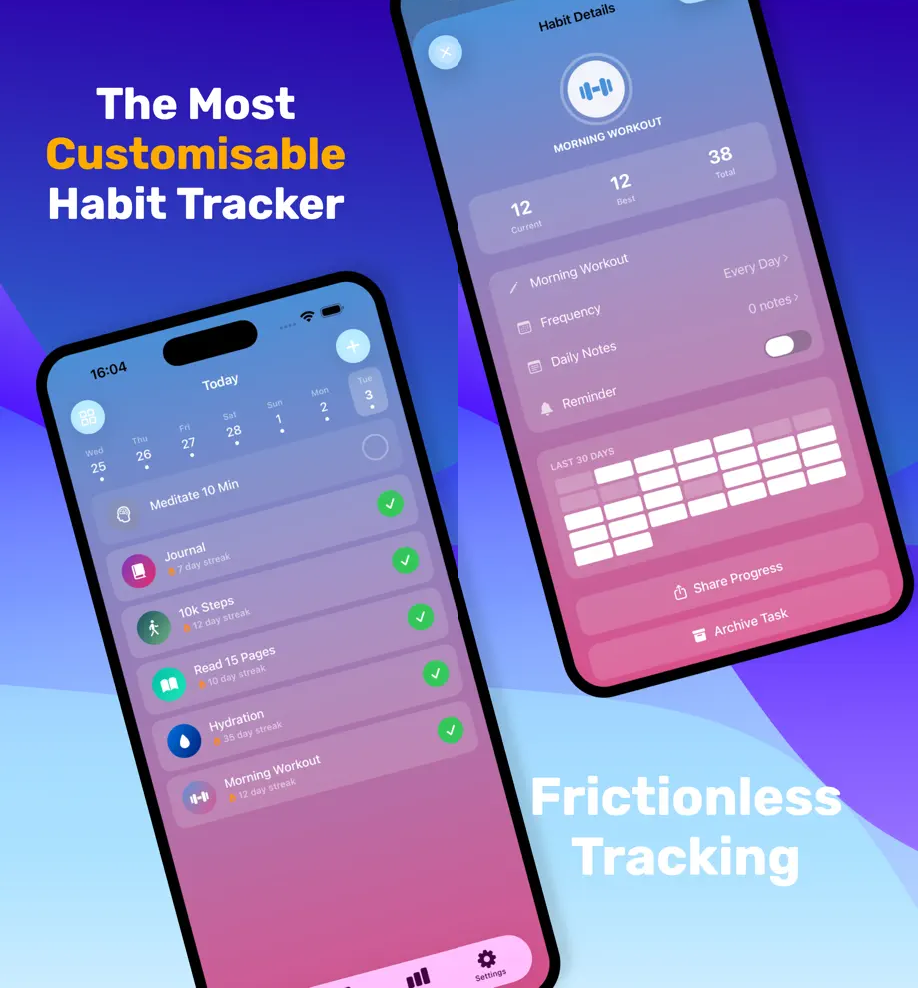
RepLog helps you implement everything you just learned with intelligent workout tracking.
Download RepLog Free